
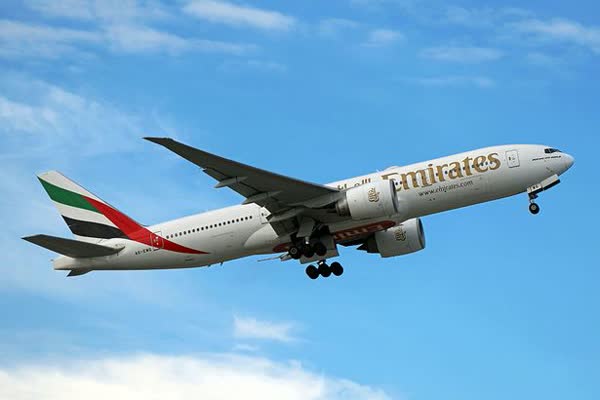
Emirates Suspends Dubai Flights Amid Middle East Conflict
Thousands of tourists, especially Brits, stranded in UAE due to US-Israel-Iran tensions closing airspace. Airlines like Etihad resume limited repatriation flights; Dubai orders hotels not to evict guests. UK launches charter booking portal as disruptions persist.
Photo Gallery
What Happened
- Iran launches missile strikes across Middle East in response to US-Israel attacks, prompting regional airspace closures.
- Emirates, Etihad suspend all Dubai/Abu Dhabi flights indefinitely; thousands of tourists (esp. Brits) stranded.
- Dubai orders hotels not to evict stranded guests, even if unpaid; extends stays with assistance.
- Limited repatriation flights resume from UAE (Emirates, Etihad, Flydubai) prioritizing stranded passengers; some to UK, India, Europe.
- UK FCDO advises against UAE travel, launches charter flight booking portal for Brits; governments explore evacuations.
- Other airlines extend cancellations (Finnair, Saudia, Wizz Air, etc.) to Dubai/UAE amid ongoing tensions.
- UAE opens safe air corridors (up to 48 flights/hour); Emirates/Etihad ramp up to 100+ flights but with disruptions.
- Missile interceptions near Dubai airport cause brief suspensions; Emirates reverses some cancellations.
- Passenger rights clarified for refunds/rebookings by Emirates, Etihad, Qatar Airways.
Timeline
-
Feb 28: Emirates suspends all Dubai flights (stories 1,12,13,57,61); Etihad cancels (4); Iran launches strikes after US-Israel attacks (2); airspace closures begin (26).
-
Mar 1 (Sun): Suspensions extended; thousands stranded, incl. UK tourists (1-3,10,30).
-
Mar 2 (Mon): Dubai orders hotels not to evict stranded tourists (5-9,15); limited flights resume from Dubai/Abu Dhabi for repatriation (17,18,22,25,29,34-43,50); Emirates/Etihad confirm resumption plans (11,17,24).
-
Mar 3: Emirates extends suspension to Mar 3, 2026 (14); more cancellations (47); flights land in India (39,43).
-
Mar 4-5: Limited flights continue (48,52,56,64); safe corridors open (73); suspensions extended by others (27,33,58,59).
-
Mar 6 (Fri): Emirates/Etihad resume more flights (77,78,80,81); Saudia extends to Mar 6 (58).
-
Mar 7-8 (Sat-Sun): Brief Emirates suspension reversed (86-88); Dubai airport briefly shuts after missile interception (89); French flight turns back (72,79).
-
~Mar 9+: UK launches charter booking portal for Brits (94-97); ongoing limited ops, refunds (23,85); more cancellations (91-93).
Key Quotes
Retired US general: “As Americans we feel abandoned”
Finnair: “Flights to Qatar’s capital will remain suspended until 10 March. All flights to Dubai... have been cancelled until 28 March”
ATOR: “Hotels should provide maximum assistance to guests who find themselves in difficult conditions due to transport restrictions”
Saudia: “Flights to Amman, Kuwait, Abu Dhabi, Dubai, Doha, Bahrain, Moscow and Peshawar will remain suspended... until March 6”
Opposing Views
- No clear opposing views: Stories uniformly report flight suspensions due to US-Israel-Iran conflict/airspace closures, gradual limited resumptions (e.g., Emirates/Etihad prioritizing repatriations), supportive measures (Dubai's no-eviction hotel orders, govt evacuations), and passenger rights/refunds. Challenges like missile threats noted, but no conflicting perspectives on causes, blame, or responses.
Historical Background
Escalating US-Israel-Iran Conflict Triggers Airspace Chaos
The crisis stems from long-standing US-Israel tensions with Iran over its nuclear program, proxy militias (e.g., Hezbollah, Houthis), and regional influence. Key triggers:
- Oct 2023 Gaza War: Hamas attack on Israel escalates to Iran-backed assaults, leading to Israeli strikes on Iranian assets.
- 2024-2025 Escalation: US/Israel target Iranian nuclear sites and IRGC leaders amid failed diplomacy.
- Feb 28, 2026 US-Israel Strikes: Massive attacks on Iran prompt Iranian missile/drone retaliation across Middle East (incl. Gulf targets), closing airspace in Iran, Iraq, Israel, Gulf states.
This forces UAE (neutral hub) to suspend Dubai/Abu Dhabi ops, stranding 100,000s. Past precedents: 1991 Gulf War, 2019 Abqaiq attacks disrupted aviation; current war mirrors, with "safe corridors" enabling limited repatriations.
Technical Details
Key Technical Details
Emirates A380 Fleet Disruption
Dubai's Emirates has its Airbus A380 superjumbo fleet (world's largest international airline) scattered globally due to Middle East airspace closures, complicating logistics for resuming operations. A380s carry 500+ passengers, highlighting scale of stranding tens of thousands.
UAE Safe Air Corridors
UAE opened designated 'safe air corridors' allowing 48 flights per hour max, enabling limited ops (e.g., Emirates >100 Dubai flights, Etihad to 71 destinations) amid Iran-US-Israel conflict. Prioritizes repatriation via emergency routing.
Flight Suspension Durations
- Emirates: Suspended to/from Dubai until March 3, 2026 (one story); partial resume Mon eve, limited to Tue 3pm local.
- Finnair: Doha to Mar 10, Dubai to Mar 28 (winter end).
- Saudia: 8 destinations (e.g., Dubai, Doha) to Mar 6, 23:59 GMT.
Cancellation Scale
Impacted >1,800 flights; e.g., Mumbai 116, BLR 72, Chennai/Bengaluru 85. Airports at fraction capacity; e.g., Dubai brief suspension post-missile interception.
Repatriation Ops
Govts/charters: UK portal for Dubai charters (vulnerable priority); Germany to Oman/Saudi; Lithuania/Etihad evac flights (e.g., EY216 Delhi, 56 pax). Airlines offer refunds/rebooks.
Economic Impact
Affected Industries/Sectors
Aviation & Airlines
Short-term: Massive cancellations (e.g., Emirates, Etihad, 1000s flights) strand passengers, slash revenues; shares dip then rebound on partial resumes.
Long-term: Rerouting hikes fuel costs; sustained closures erode hub status (Dubai #1 intl. airport).
Tourism & Hospitality (UAE)
Short-term: Hotels extend stays unpaid, boosting occupancy but cashflow strain.
Long-term: Travel warnings (UK FCDO) deter visitors, hitting GDP (11% from tourism).
Broader Economy
Short-term: Supply chain disruptions (cargo); consumer spending drops on stranded travelers.
Long-term: Escalating US-Israel-Iran war risks oil spikes, inflation; Gulf hubs lose connectivity.
X Discussion Summary
Minimal discussion on X; only factual reports from news outlets like @Bloomberg and @eNCA. No user reactions, debates, or sentiments noted.
Nostr Discussion Summary
No discussion or reactions; posts are solely news links/shares about Middle East flight suspensions/resumptions due to regional conflict, stranding travelers (esp. Brits), hotel protections, and relief efforts. Lacks Nostr community engagement.
Bluesky Discussion Summary
Summary of Bluesky Discussion on UAE Flight Disruptions
Main Themes & Sentiments: Focus on flight suspensions (Emirates, Etihad, Qatar Airways) due to regional crisis (airspace closures, missile threats, GPS issues). Updates on limited resumptions, repatriation flights, and airport restarts (DXB/DWC from March 2). Sentiment: Frustration with inconsistent airline comms; relief at evacuations; anxiety over safety/strandings.
Notable Accounts: @Edward Russell (detailed Gulf updates, e.g., suspensions/repositioning); @FinTwitter/@AirNav Radar (real-time alerts); @Shipwreck/@Business Post (resumption/evac news).
Common Reactions/Debates: Travel chaos (1,800+ cancellations); calls for clarity ("just say everything's canceled"); evacuations prioritized (Irish, Croatian, Dublin flights). Minimal debate; practical info-sharing dominates. Russian tourist eviction mentions (anti-Russia jabs) sparse.
Full story
Thousands of UK tourists and holidaymakers from cities like Liverpool, Manchester, and Birmingham remain stranded in Dubai after Emirates and Etihad suspended all flights amid escalating US-Israel attacks on Iran and retaliatory Iranian missile strikes across the Middle East. Dubai authorities issued an urgent "no eviction" order to hotels, prohibiting them from removing guests even if bookings expired or payments were delayed, providing critical relief as airspace closures grounded over 1,800 flights. Limited repatriation flights began resuming Monday, but full operations face ongoing disruptions from missile threats and closed skies over Iran, Iraq, Israel, and the Gulf. The crisis erupted from heightened US-Israel-Iran tensions, with Iran launching attacks in response to "massive and ongoing" strikes against it, prompting multiple countries to shut airspace including UAE hubs like Dubai International and Abu Dhabi. Emirates, the world's largest international airline, issued a "red alert" suspension, initially halting all operations through its Dubai hub, while Etihad followed suit from Abu Dhabi. The UK Foreign Office (FCDO) advised against all but essential travel to the UAE, and airlines like British Airways cancelled most flights to Qatar and the UAE for Monday. Globally, impacts rippled: 116 flights cancelled at Mumbai Airport, 72 at Bengaluru's BLR, 85 at Chennai, and Finnair suspending Doha until March 10 and Dubai until March 28. Developments unfolded rapidly over days. Emirates extended its Dubai suspension initially until March 3, 2026—later clarified amid confusion—with operations halted until 3 pm local time Tuesday, warning of disruptions through Thursday. By Monday evening, Dubai and Abu Dhabi airports announced "limited" flights resuming, prioritizing repatriations; Emirates and FlyDubai operated select services, while a London-bound flight departed Abu Dhabi, likely carrying stranded Brits. Etihad restarted to 71 destinations including London and New York, and Emirates planned over 100 Dubai flights after partial airspace reopening via "safe air corridors" allowing 48 flights per hour. Brief setbacks included Emirates suspending then reversing a Saturday suspension after missile interceptions near Dubai Airport, and a French charter flight turning back due to missile fire. By mid-week, UAE carriers aimed to carry over 8,000 passengers from UAE and Oman on Thursday, though Saudia extended suspensions to destinations like Dubai until March 6, and Wizz Air prolonged bans to UAE hubs. Stranded passengers voiced frustration and relief. A retired US general in the UAE lamented, "As Americans we feel abandoned," highlighting anxiety among tens of thousands. A UK family trying to return for a funeral described "travel chaos," while Ukrainians who fled their war now faced "new uncertainty." Dubai's directive, relayed via ATOR, instructed hotels to "provide maximum assistance to guests who find themselves in difficult conditions due to transport restrictions," explicitly barring evictions "under any circumstances." The UK government responded decisively, launching a charter flights booking portal prioritizing the vulnerable, with Foreign Office officials "looking at all options." Emirates urged passengers to "check flight status before travelling," offering refunds, rebooking, and credits per Civil Aviation Authority guidelines, as did Etihad and Qatar Airways. Germany's government planned evacuations from Oman and Saudi Arabia for the ill, children, and pregnant people, while Lithuania scheduled a UAE flight and Singapore's Riyadh embassy eyed Bahrain extractions. The disruptions signal prolonged aviation turmoil, with Emirates' A380 fleet scattered globally and private jets emerging as alternatives amid soaring insurance costs—prompting Virgin Atlantic to suspend Dubai operations after a 16-hour "flight to nowhere." Passenger rights under CAA rules ensure refunds or rebookings, but backlogs could persist as skies over Bahrain, Israel, Iraq, Iran, Qatar, and Kuwait remain closed. Economically, airline shares like Qantas and Cathay Pacific rebounded slightly on resumption news, but tourism to UAE hotspots faces setbacks. Full recovery hinges on de-escalation; UAE plans phased reopenings via corridors, but missile threats fuel uncertainty, potentially stranding more as governments coordinate charters—exacerbating global supply chain strains from diverted flights carrying cargo. For Brits, the FCDO portal offers a lifeline, but experts warn of weeks-long delays until safety is "confirmed by authorities." (4,128 characters)