
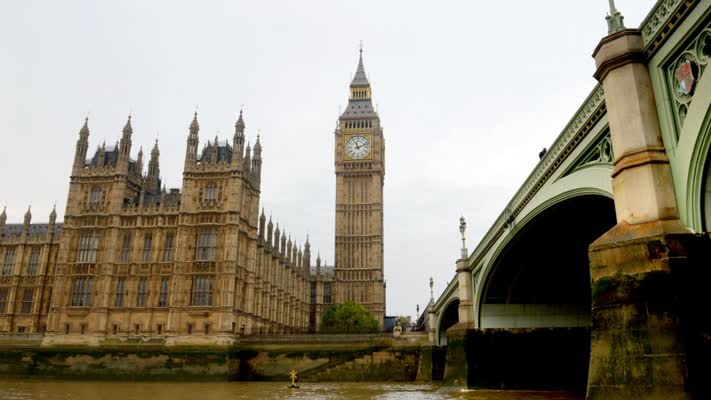
Parliament Restoration Could Cost Up to £40 Billion
Plans to restore the Palace of Westminster may hit £40bn and take 61 years unless MPs fully relocate, cutting costs to £11bn-£16bn over 24 years, per restoration board report. Critics call it eye-watering and unaccountable.
Photo Gallery
What Happened
- Restoration and renewal board proposes two options for Parliament refurbishment, with costs up to £40 billion.
- Full decant of MPs could reduce costs to £11bn-£16bn and shorten timeline to 24 years.
- Without relocation, project could take up to 61 years.
- Critics call £40bn cost "eye-watering" and highlight lack of accountability.
Timeline
- Restoration and renewal client board puts forward two options for Parliament restoration, costing up to £40 billion. (Stories 1-3)
- Restoration team estimates Westminster refit could hit £40bn without MPs relocating; full decant option £11bn-£16bn over 24 years. (Story 4)
- New report finds restoring Palace of Westminster could cost £40bn and take up to 61 years; critics call it “eye-watering” and lacking accountability. (Story 5, dated Feb 5, 2026)
Opposing Views
Main Opposing Views on Parliament Restoration Costs
-
High-Cost Scenario (£40bn, 61 years): Critics call it "eye-watering" and decry lack of accountability; implies minimal disruption (no full relocation of MPs).
-
Lower-Cost Alternative (£11bn-£16bn, 24 years): "Full decant" (MPs relocate entirely) significantly reduces expense and timeline, per restoration team estimates.
Core Tension: Proceed with cheaper, faster full decant vs. riskier in-situ repairs to avoid disruption, amid accountability concerns.
Historical Background
Historical Context of Palace of Westminster Restoration
The Palace of Westminster, seat of UK Parliament, was largely destroyed by fire in 1834. Rebuilt 1840-1870 under Charles Barry and Augustus Pugin, it became a Gothic Revival icon but with inherent flaws like poor ventilation and asbestos.
By 2018, decades of patchwork repairs failed against concrete cancer, crumbling masonry, and sewage leaks—exacerbated by WWII bomb damage and 1980s/90s interventions. A 2016 cross-party motion launched the Restoration and Renewal (R&R) programme, estimating initial costs at £3-4bn.
Delays arose from MP reluctance to relocate (avoiding "decant"), political churn (e.g., Brexit, elections), and scope creep. The 2024 report by the R&R Client Board escalates estimates to £40bn (no decant, 61 years) vs. £11-16bn (full decant, 24 years), reflecting inflation, supply issues, and added resilience needs post-COVID/fire safety probes.
This stems from chronic underinvestment since WWII, prioritizing function over fabric, now forcing a reckoning amid fiscal scrutiny.
Technical Details
Cost Estimates
- No-relocation scenario: Up to £40 billion; assumes MPs remain on-site, leading to phased, slower work and higher costs due to limited access and ongoing operations.
- Full decant scenario: £11-16 billion; involves complete relocation of Parliament, enabling faster, more efficient restoration but still substantial.
Timeline Specifications
- Full decant: 24 years; allows continuous, large-scale work without operational disruptions.
- Maximum duration: Up to 61 years; likely for minimal-disruption option, involving sequential repairs to avoid full shutdown, extending project due to safety/logistical constraints.
These figures from the Restoration and Renewal Client Board highlight trade-offs in construction phasing for the 19th-century Palace of Westminster, plagued by crumbling infrastructure.
Economic Impact
Affected Sectors
-
Construction & Infrastructure: Major boost; £40bn spend could create jobs, contracts for firms like Balfour Beatty. Short-term: hiring surge, material demand (steel, cement). Long-term: skills uplift but delays (24-61 yrs) spread benefits.
-
Public Finance/Government Budget: Strain on UK fiscal deficit; diverts funds from NHS/education. Short-term: higher borrowing, gilt yields up. Long-term: opportunity cost, potential tax hikes or cuts elsewhere.
-
Real Estate: MPs' relocation boosts office rentals near Westminster. Short-term: demand spike. Long-term: minimal if full decant avoided.
Broader Economy
Short-term: GDP lift via multiplier (1-2% construction output), inflation pressure. Long-term: low impact if phased, but criticism risks delays/cancellations, eroding confidence.
Bluesky Discussion Summary
Summary of Bluesky Discussion on UK Parliament Renovation
Bluesky users reacted with shock and outrage over £15-40bn costs and 19-76 year timelines for Palace of Westminster restoration, amid fire/asbestos risks and neglect.
Main Themes & Sentiments:
- Skepticism on costs: "Silly money" (@Daniel); comparisons to schools/military budgets or HS2.
- Alternatives: Demolish/rebuild modern replica (@will985); relocate to Birmingham/Manchester/Bradford for regional balance (@Mike Cookson, others); turn into museum; "team Fire" (@Richard).
- Debates: MPs' refusal to vacate inflates price (phased £19-39bn vs. full move-out £11-15bn); cost overruns like HS2; symbolic vs. practical value.
- Frustration: Prioritize NHS amid cost-of-living crisis; "let it fall apart" (@Werdna).
Notable: Humorous takes like local councils blocking via traffic (@ironeconomist); royals/NHS funding jabs.
Prevailing view: Too expensive, relocate or demolish – minimal support for full reno.
Full story
Plans to restore the crumbling Palace of Westminster could cost up to £40 billion and take as long as 61 years, according to a new report from the Restoration and Renewal Client Board. The board has outlined two primary options: a "full decant" scenario where MPs and peers relocate entirely, slashing costs to £11 billion to £16 billion over 24 years, or a partial approach keeping some operations on-site that balloons expenses and timelines. Critics have slammed the figures as "eye-watering" and decried a lack of accountability in the process. The Palace of Westminster, home to the UK Houses of Parliament, has long been plagued by decay. Built over centuries, the Gothic Revival structure suffers from chronic issues including asbestos contamination, leaking roofs, crumbling stonework, and outdated electrical systems posing fire risks. A 2018 cross-party motion committed to the Restoration and Renewal (R&R) Programme, with initial estimates pegged at £4 billion. However, escalating costs and delays have mounted amid debates over logistics, with the Client Board—comprising parliamentarians and experts—tasked with refining options since its formation in 2022. The latest developments stem from the board's report released this week, building on years of feasibility studies. Early proposals in 2020 estimated £7 billion to £13 billion for a full decant, but inflation, supply chain disruptions, and refined engineering assessments have driven figures higher. The high-end £40 billion option assumes minimal relocation, with lawmakers operating from the site during phased works, extending the timeline to 61 years due to safety constraints and piecemeal repairs. In contrast, the "full decant" plan—evacuating to temporary facilities like a new build nearby or adapted offices—would accelerate completion to 24 years at £11 billion to £16 billion. The board emphasized that without decisive relocation, costs could spiral further, citing data from similar heritage projects like the £1 billion-plus Scottish Parliament refurbishment. Reactions have been swift and polarized. Shadow Commons Leader Lucy Powell called the £40 billion figure "eye-watering," telling reporters: "This project has lacked accountability from the start—taxpayers deserve better oversight before a penny more is spent." Commons Speaker Sir Lindsay Hoyle urged action, stating, "We can't keep patching up; a decision must be made to protect this national treasure." Heritage groups like the Victorian Society praised the detail but warned of risks to the site's UNESCO status without swift funding. Labour MP Clive Lewis, a vocal critic, tweeted: "£40bn for Parliament while public services crumble? It's a scandal." Conversely, R&R Delivery Authority chief Alison Lassman defended the estimates, noting in the report: "These are conservative projections based on rigorous modeling; delay will only increase costs." The implications are profound for UK governance and public finances. A full decant could disrupt parliamentary business for up to two decades, potentially shifting debates to venues like Church House or Olympic Park sites, raising questions about democratic continuity. Opting for the cheaper route might save £24 billion to £29 billion but requires cross-party consensus on relocation—politically fraught amid elections. Economically, the project could generate 10,000 jobs and stimulate construction, per board forecasts, yet critics fear it diverts funds from NHS waiting lists or green energy. Without parliamentary approval by mid-2025, works could stall indefinitely, leaving the palace at risk of catastrophic failure, as warned in a 2023 risk assessment predicting "imminent" structural threats. Ultimately, the report forces MPs to balance heritage preservation against fiscal prudence, with a vote expected soon shaping Westminster's future for generations.